
Promoting equitable and dignified housing for workers in the unorganized and informal sector
Why Housing?
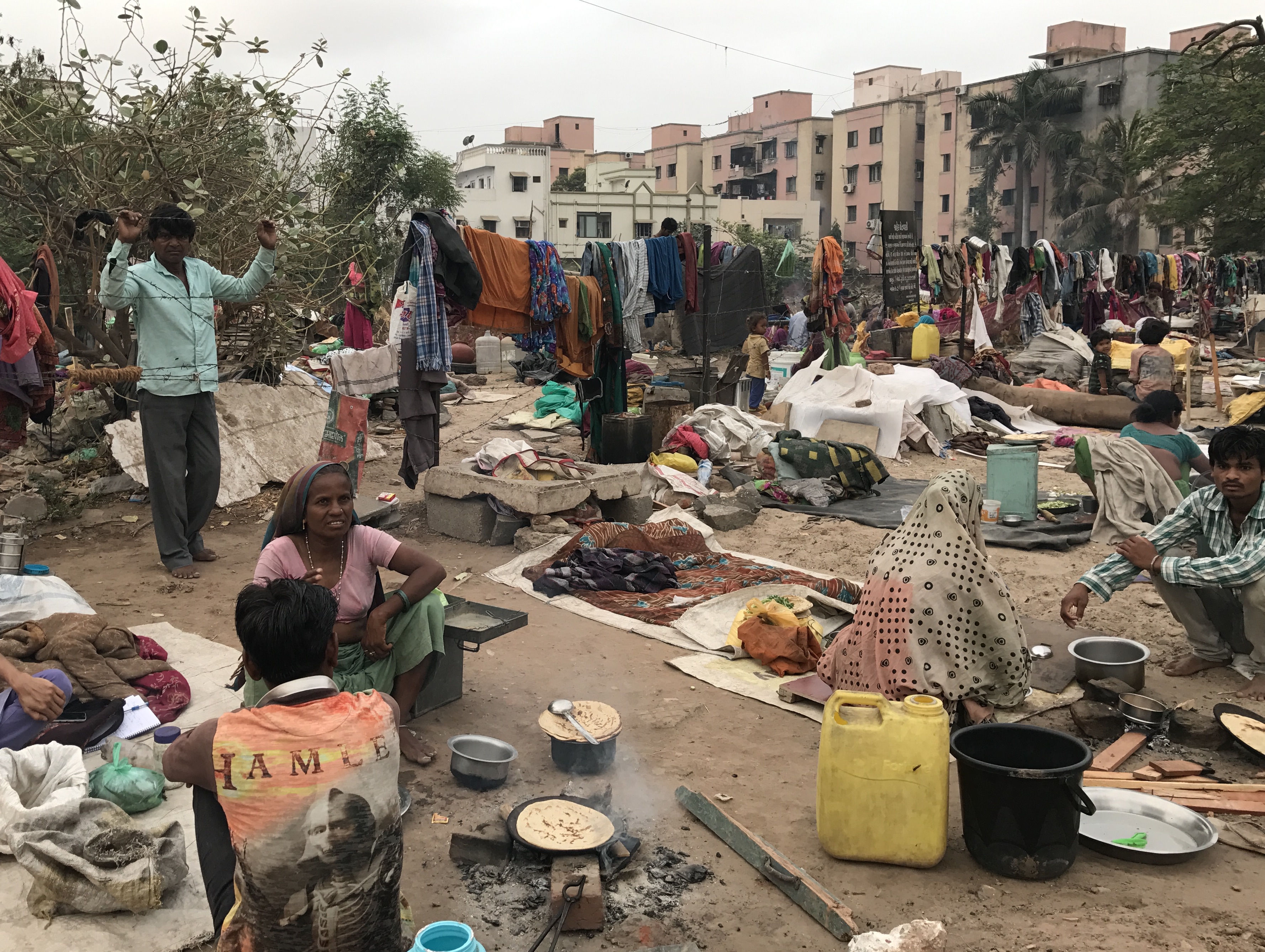
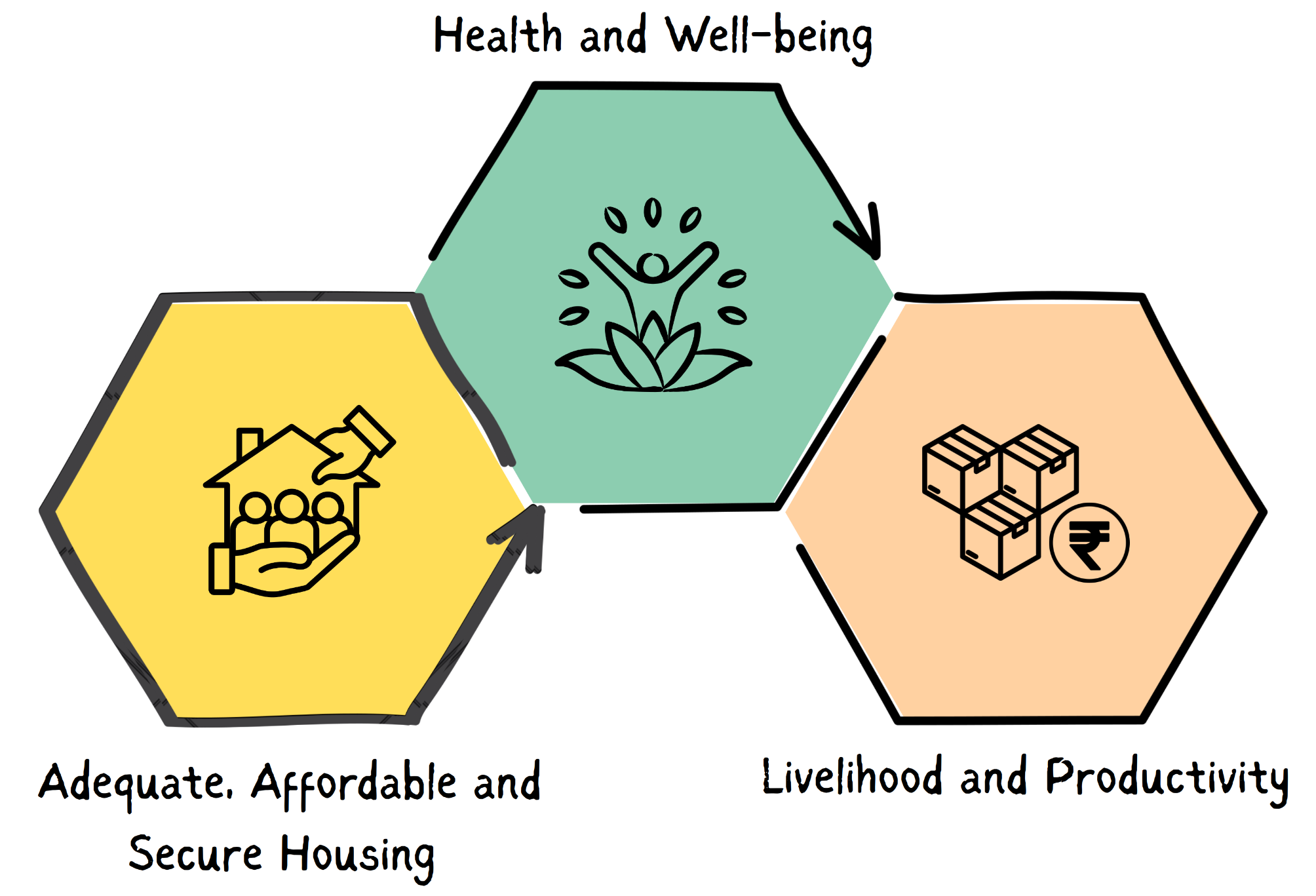
Low-income migrant workers in urban and industrial areas face layered vulnerabilities. Research and on-ground experience shows that adequate, secure and affordable housing can be transformative for low-income communities, enhancing their health and well-being, livelihoods and productivity. Housing is also a powerful platform for fostering a sense of community and belonging and for connecting marginalized communities to social programs for their integrated development. However, policy and social impact initiatives are yet to give commensurate attention to housing.
This is where we come in.
Recent Events and Achievements

SSF’s Republic Hostel and Mess selected as a good practice in the World Urban Forum, 2026
SSF’s Republic Hostel and Mess was selected as a good practice by the UN-Habitat at the World Urban Forum (WUF) 2026, that is to be held in Baku, Azerbaijan in the summer of 2026. It will be displayed and promoted at the WUF’s Practice Hub’s digital display section, as part of a curated collection of housing practices from around the world. In addition, RHM was featured in UN-Habitat’s online repository of good practices, contributing to their knowledge base and ongoing work. UN-Habitat expects SSF’s RHM to inspire action globally and serve as a valuable reference for advancing housing solutions.

SSF at the South Gujarat Productivity Council, National Productivity Week at Surat
SSF director Renu Desai participated in a session on workers’ housing, health and productivity to share shared our findings from our surveys and interviews with RHM tenants. The two key takeaways were: (1) Improved housing and food has positive impacts for workers’ physical and mental health; and (2) Better health positively influences work productivity. Dr. Vikas Desai (Urban Health and Climate Resilience Center of Excellence, Surat) also participated in the session, and reinforced that safe and healthy housing is a key determinant of workers’ health and productivity. Both industry owners and workers attended the session.

SSF at the Confederation of Indian Industry’s (CII) National Consultation on Migrant Workers
SSF director Swastik Harish participated in a panel at the CII’s National Consultative Round-table on Migrant Workforce in January 2026. The conference was chaired by Dr. Mansukh Mandaviya, the Hon’ble Union Minister for Labor and Employment and co-chaired by CII leadership from the national and Tamil Nadu region. Swastik spoke on the question of worker housing conditions, infrastructure and possible pathways ahead. He made key recommendations regarding industry as an equal partner in worker housing, employer-supported worker housing and professionally managed rental housing. He is now part of the CII core group that is presenting a host of recommendations to the Hon’ble Union Minister on the issues and solutions for migrant workers.

SSF Selected as One of Ten Social Sector Startups in the T-HUB and United Way THRIVE 10 Cohort
SSF director Swastik Harish represented SSF in the Government of Telangana T-HUB and United Way of Hyderabad’s THRIVE 10 program. The program was structured as a 45-day rapid Go-to-market (GTM) for social entrepreneurs and startups. SSF was the only social sector organization working with migrant labour on their housing questions. Over the 45-day period. Swastik Harish received guidance and mentoring from renowned market and social sector experts, most notable, Mr. Emmanuel Murray of Caspian Capital. In December 2025, Swastik presented the workings of SSF and the plans and aspirations for replicating the worker hostel model, in a live ‘pitch’ session to various investors, academics, non-profit sector professionals and government officials at T-HUB Hyderabad.
Our Housing Verticals
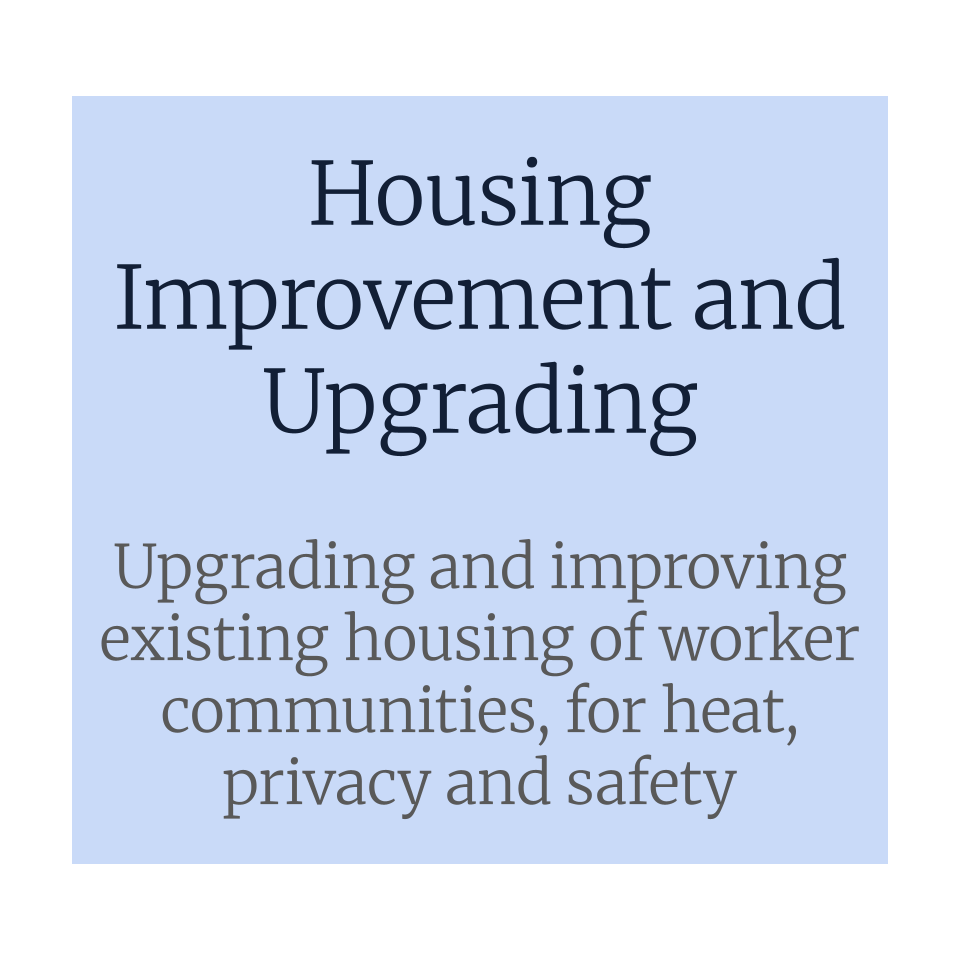
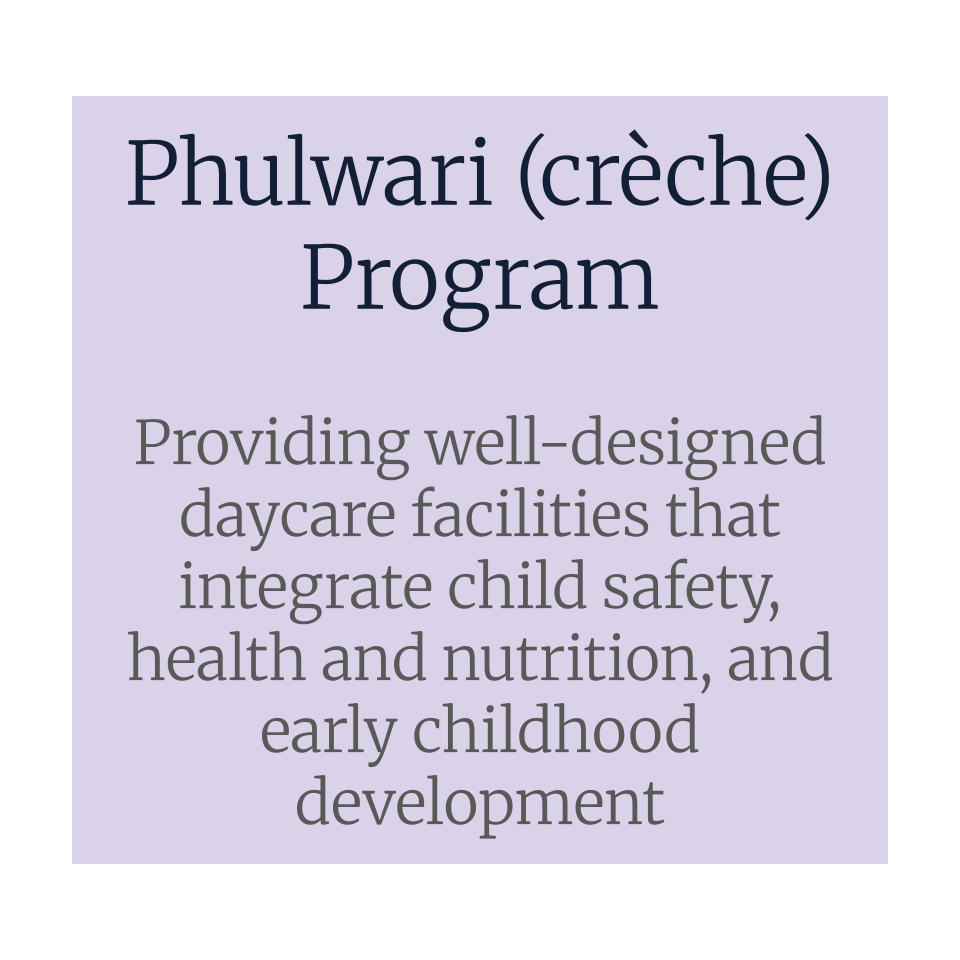
ShelterSquare Foundation envisages developing four housing verticals to pursue its mission.
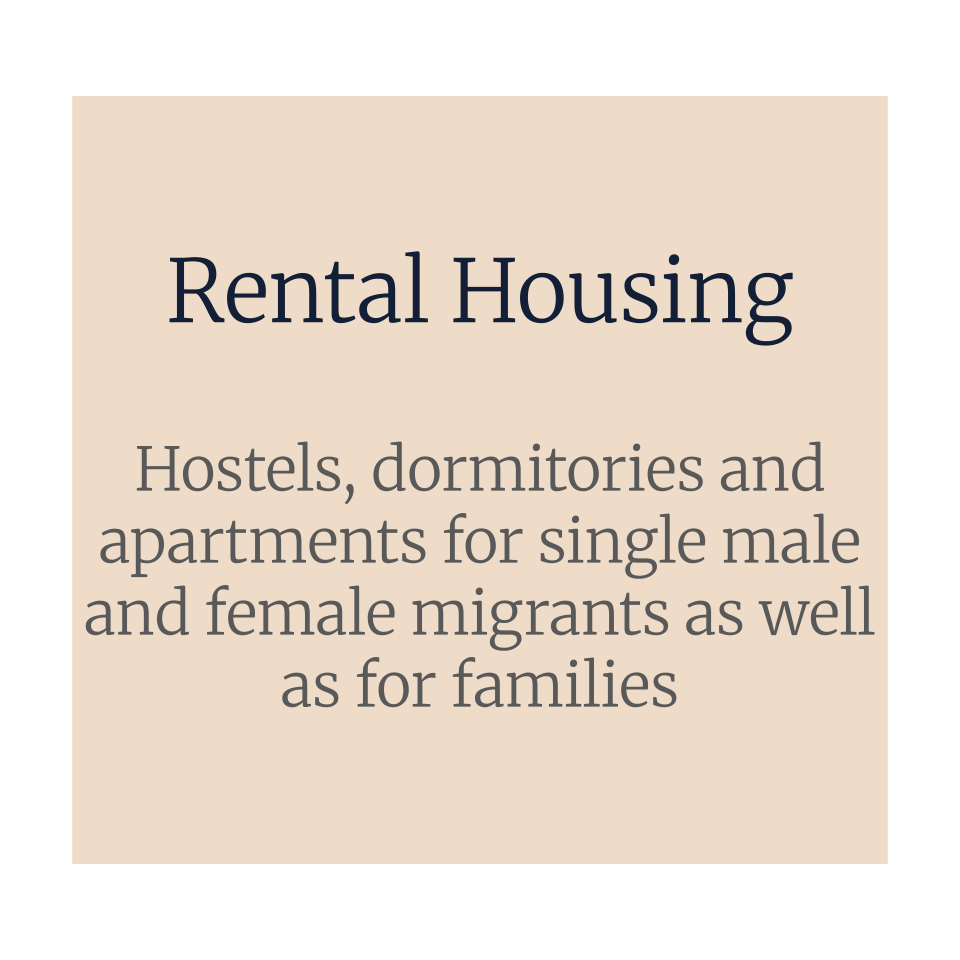
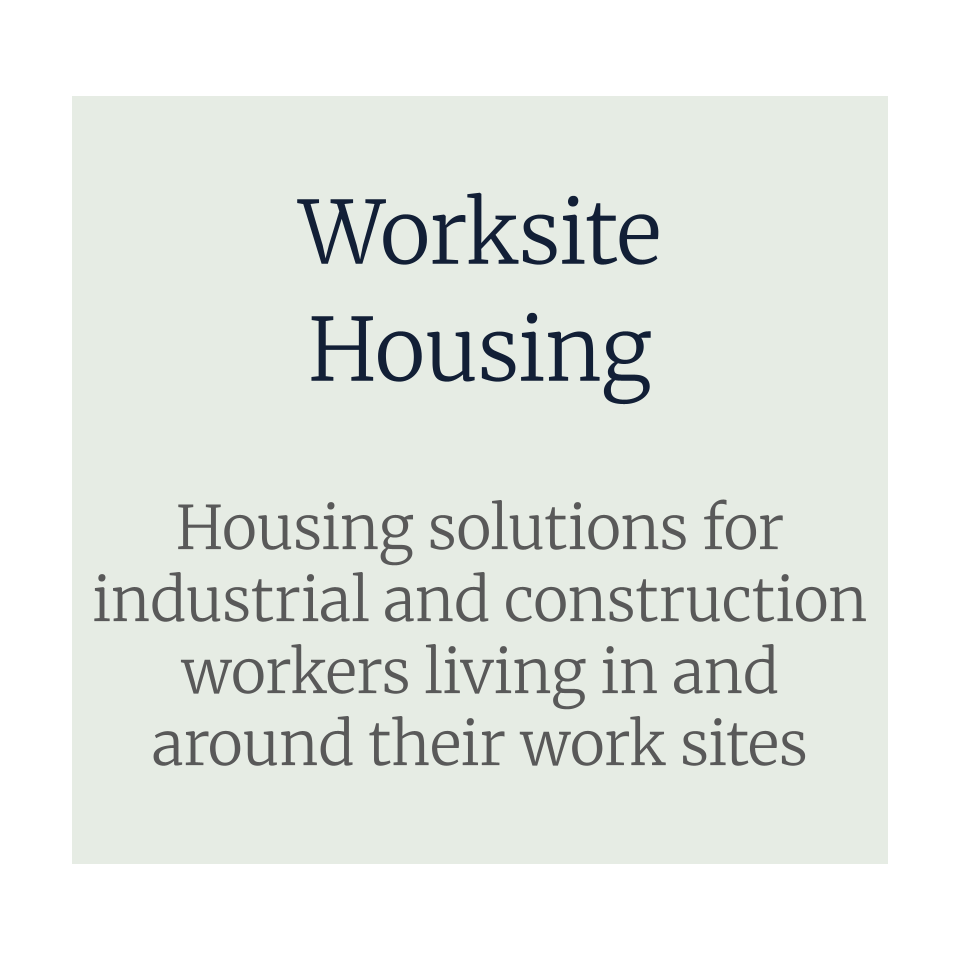
Republic Hostel and Mess (RHM)
ShelterSquare Foundation’s first pilot project is the Republic Hostel and Mess (RHM) in Sayan, an industrial suburb of Surat. It was launched in October 2023 in partnership with Aajeevika Bureau Trust and the Pravasi Shramik Suraksha Manch. As of April 2026, RHM is home to about 120 migrants who work in the power looms in the area. After nearly two and a half years of operation we are proud to present our achievements::
RHM: Impacting Health and Productivity
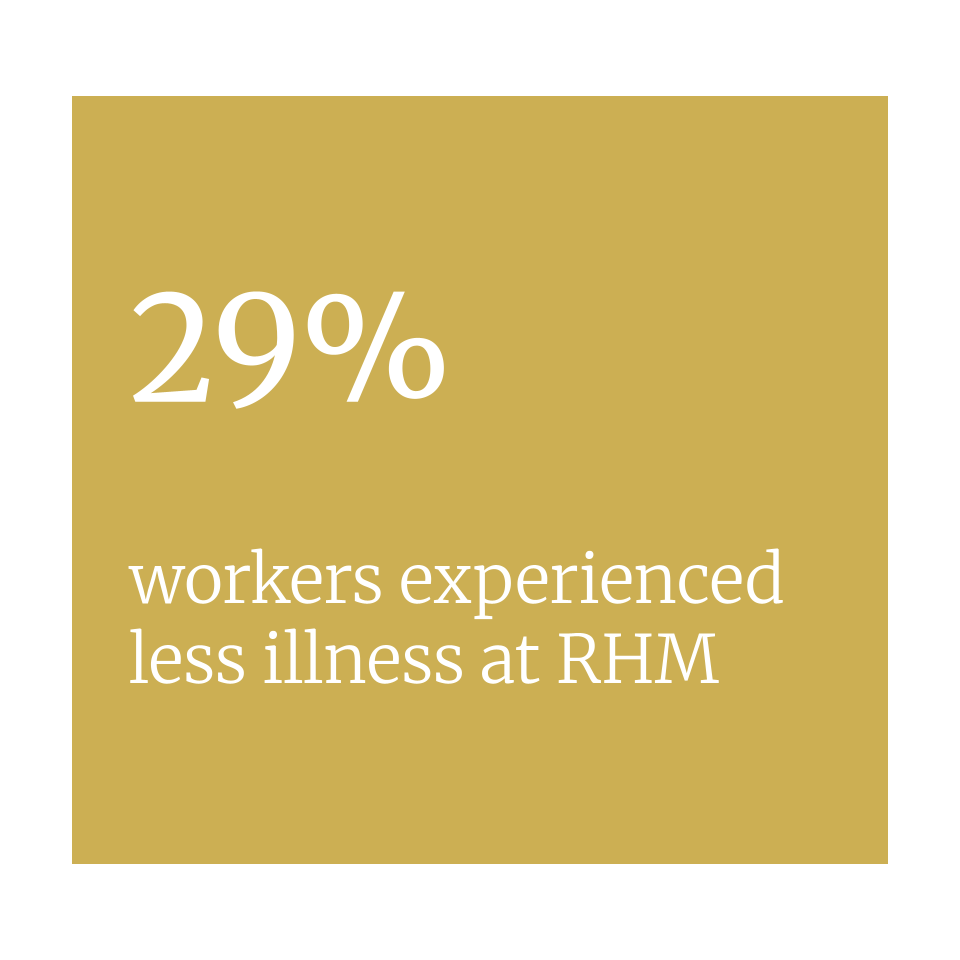
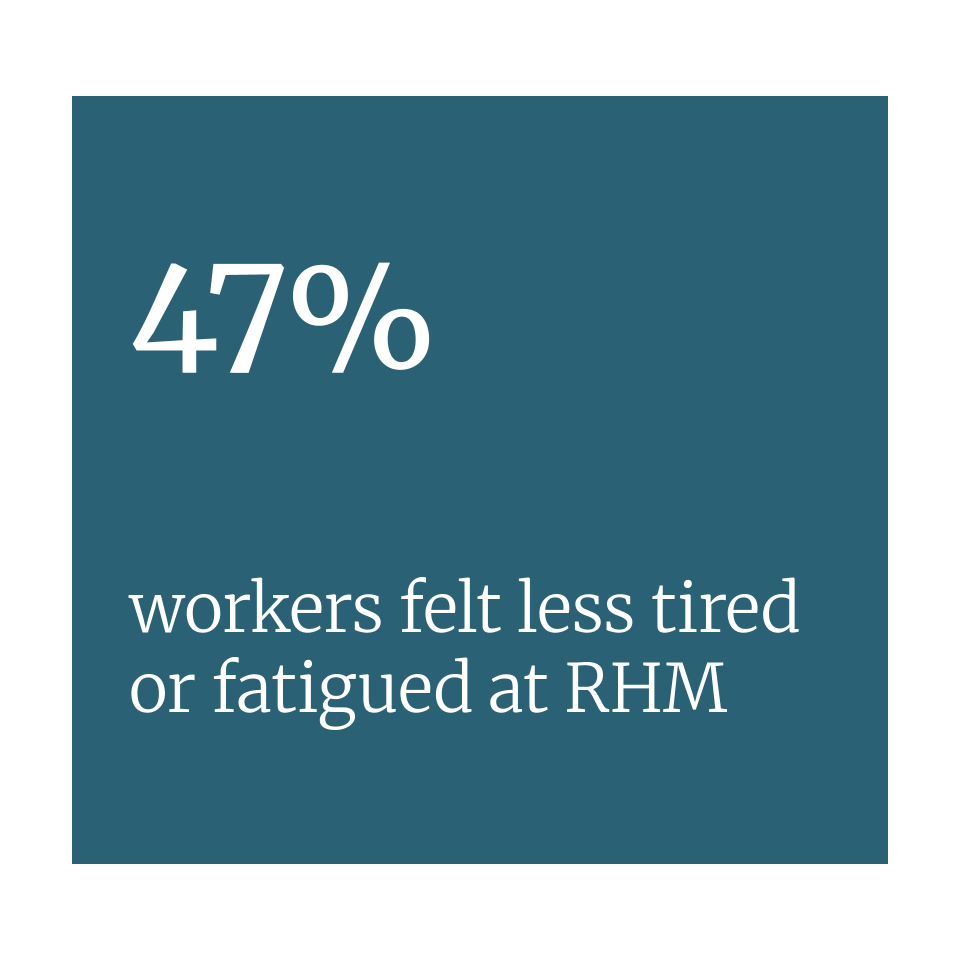
Surveys with our tenants—in January 2025 and January 2026—show deep and increasing impacts on workers’ health and well-being, that in turn positively impacted their livelihood and productivity.
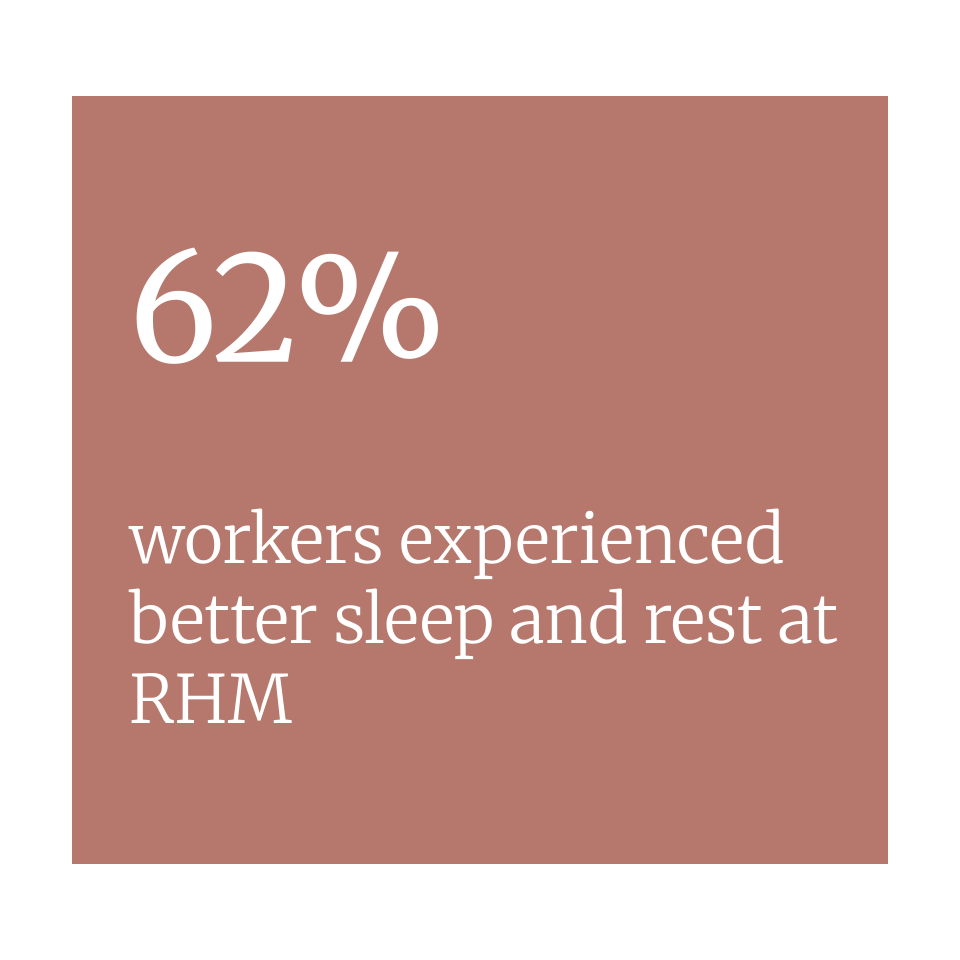
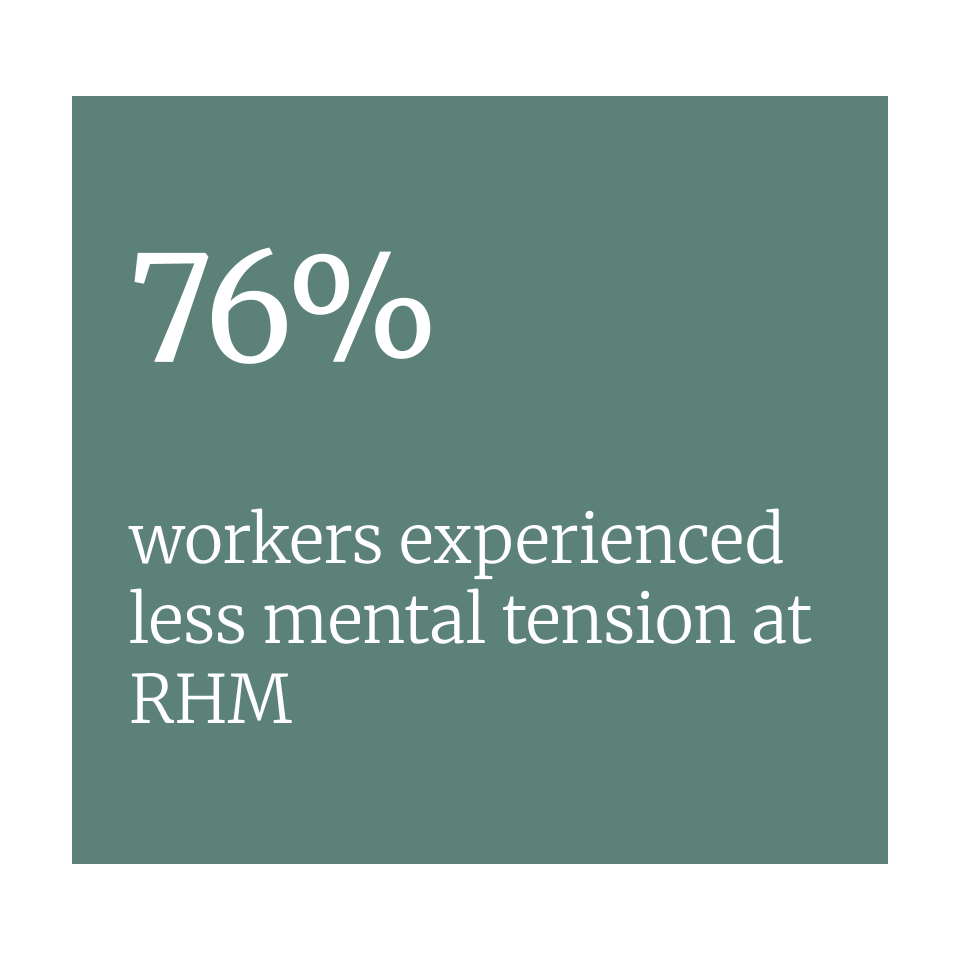
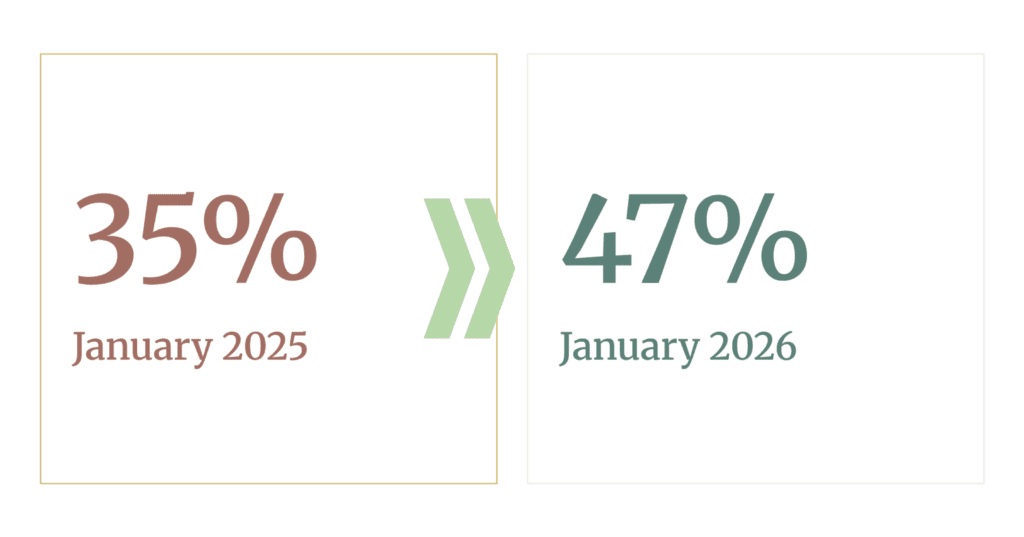
Percentage of workers who reported a positive impact on their work since living at RHM.